

A meta-review of 63 studies covering nearly 80,000 volunteers found that aerobic group exercise is as effective as medication for mild depression, with the strongest benefits in young adults and new mothers. The evidence applies to mild cases — not a replacement for therapy or medication in severe depression.
Photo by Maxim Tolchinskiy on Unsplash
Sixty-three published reviews. Nearly 80,000 volunteers. One finding: aerobic exercise works as well as medication for mild depression. In some cases, it works better. A new meta-review published in the British Journal of Sports Medicine analyzed the full body of evidence and found that physical activity should be considered a frontline treatment, not a supplement to one.
The Numbers
Researchers at James Cook University in Australia analyzed data from 63 published reviews covering nearly 80,000 participants. The exercises studied ranged from resistance training and aerobic workouts to yoga and tai chi. The populations ranged from young adults to pregnant women to new mothers.
| Exercise Type | Impact on Depression | Impact on Anxiety | Best Format |
|---|---|---|---|
| Aerobic (running, swimming, dancing) | Strongest effect | Strong effect | Group / supervised |
| Resistance training | Moderate effect | Moderate effect | Any format |
| Yoga / tai chi | Lesser effect | Moderate effect | Any format |
| Low-intensity programs (8-12 weeks) | Moderate effect | Best for anxiety | Short-term structured |
The lead researcher, psychologist Neil Munro, did not hedge: “Exercise can have a similar effect, and sometimes a stronger impact, than traditional treatments. Getting moving, in whatever shape or form works best for each person, can help mitigate depression and anxiety symptoms.”
Group Exercise Outperforms Solo
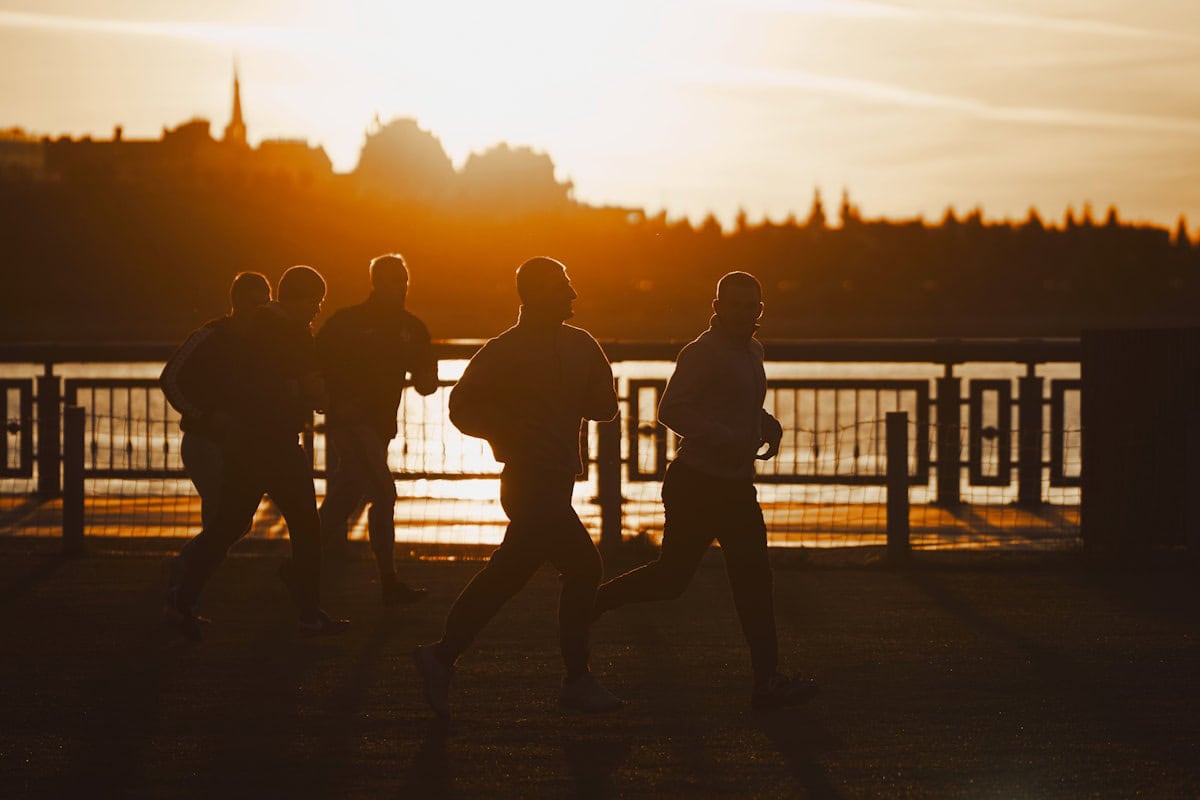
The finding that surprised researchers most: exercising with others produced significantly better outcomes than exercising alone. Group and supervised activities showed stronger antidepressant effects across the data.
This suggests the social component is part of the treatment, not incidental to it. Running alone helps. Running with a group helps more. The mechanism appears to be that social connection during physical activity compounds the neurochemical benefits of exercise itself.
According to the World Health Organization, more than 280 million people worldwide have depression. Another 301 million have anxiety disorders. In the UK, cases among 16- to 24-year-olds have risen sharply in the past decade. Roughly 15 to 20 percent of new mothers experience depression and anxiety in the first year after giving birth.
The study found that young adults and new mothers showed the greatest improvements from exercise. These are the two groups where the crisis is deepest and where exercise is most accessible as an intervention.
The Caveat That Matters
Dr. Brendon Stubbs, who studies exercise and mental health at King’s College London, flagged the limitation that changes the entire framing: the evidence applies primarily to mild and subclinical cases.
“For people with mild or subclinical symptoms, exercise can reasonably be considered a frontline treatment option,” he said. “However, there is no evidence from this study, or from the wider literature, to suggest that people should change or discontinue established treatments such as psychotherapy or medication.”
For people with severe depression, even basic daily activities can be extremely challenging. Symptoms often need to improve before exercise becomes possible. Telling someone who cannot get out of bed to go for a group run is not treatment. It is ignorance of what severe depression actually looks like.
What the Data Supports
The evidence is specific. Aerobic group exercise, for mild to moderate depression, in young adults and new mothers, produces effects comparable to or stronger than medication alone. Short-term low-intensity programs work best for anxiety. Social connection during exercise amplifies the benefit.
The evidence does not support replacing therapy or medication for severe cases. It does not support the wellness industry’s broad claim that exercise cures mental illness. It supports something more precise and more useful: for millions of people with mild symptoms, a structured exercise program is a legitimate first-line treatment that costs nothing, has no side effects, and works.
Prof. Michael Bloomfield, a psychiatrist at UCL, framed it cleanly: exercise should be a complement to care, not a replacement for it. But for mild cases, the 80,000-person dataset is hard to argue with. The prescription is free. The barrier is getting started.
FAQ
This content is for informational purposes only and is not intended as medical advice, diagnosis, or treatment. Always consult with a qualified healthcare provider before starting any supplement, diet, or exercise program. Individual results may vary.