

Updated Feb 20, 2026
Details
DROPTHE_ GOSSIP
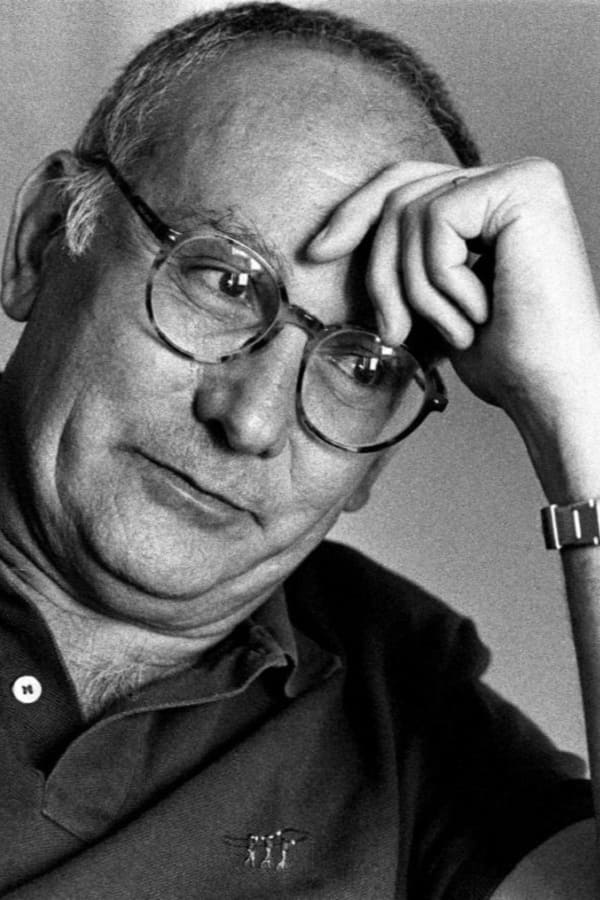
Mario Camus is known for directing.
Born in Santander, Cantabria, España (died at age 86).
3 awards including Círculo de Escritores Cinematográficos.
Mario Camus has 33 credits in our database.
DROPTHE GOOD_
15
Notable
out of 100
Most people on Earth score 0. Only those with measurable positive impact appear on this scale.
Human Impact
0
Innovation
0
Giving
0
Sustainability
100
Cultural Uplift
50
Public Vote
★
★
★
★
★
Be the first to vote
Filmography (33)
El prado de las estrellas
Writer, Director
Roma
Writer
The Beach of the Greyhounds
Writer, Director
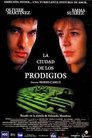
La ciudad de los prodigios
Director
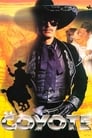
La vuelta de El Coyote
Writer, Director
The Color of the Clouds
Writer, Director
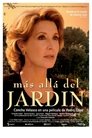
Beyond the Garden
Writer
Adosados
Writer, Director
Self Esteem
Writer, Director
Shadows in a Conflict
Writer, Director
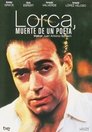
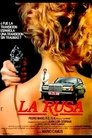
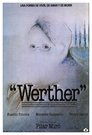
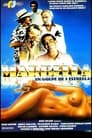
AWARDS (4)
B
Golden Bear
1983
WON
B
Gold Medal of Merit in the Fine Arts
1983
WON
B
Círculo de Escritores Cinematográficos
1982
WON
B
Berlin International Film Festival
WON
Biography
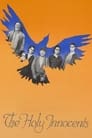
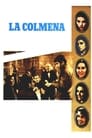
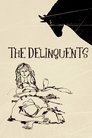
Camus started studying Law, but soon left his studies to enter the IIEC (now EOC) in 1956, where he got a director's diploma in 1963 with the training film El borracho (1962) and, finally, ended up as a professor. He worked with Carlos Saura in several screenplays during the early 60s (The Delinquents (1960), Llanto por un bandido (1964)), and also directed some shorts. His first feature films were Los farsantes (1963) and Young Sánchez (1964), a film about boxing -one of his passions- which won the Best Film Award at the Buenos Aires Film Festival in 1964. This way he started a three decade filmography full of great works, varying from romantic comedies and musicals to splendid adaptations from famous novels, as is the case of the prestigious TV series Fortunata y Jacinta (1980) or the film La colmena (1982), which won the Golden Bear Award at the Berlin Film Festival. In 1983 he was given the 'Medalla de Oro de las Bellas Artes' (Arts Gold Medal), and one year later he prepared his most successful work both with public and critic: The Holy Innocents (1984), an adaptation from the novel by Miguel Delibes. This film won the Best Actor Award for Francisco Rabal and Alfredo Landa (ex- aequo) at the Cannes Film Festival. It also won the 'Premio Nacional de Cinematografía' (National Cinematography Award) in 1985 and the 'Chevalier de l'Ordre des Arts des Lettres' Award in 1986.
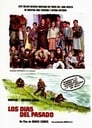
Camus's filmography combines films made with others with a more personal style, where he tells stories closer to him that let him go through less worn themes. That is the case of Con el viento solano (1966), Los pájaros de Baden-Baden (1975) or Los días del pasado (1977).
In the 90s he continued working with great actors and telling dramatic stories made up from complex characters living rebel or broken lives, or entering other genres like noir. Examples of this stage are La rusa (1987), Después del sueño (1992), Sombras en una batalla (1993) and Adosados (1996), a film which won the Internatio
Related People
Frequently Asked Questions
How old was Mario Camus?
Mario Camus was born on and passed away on at the age of 86.
Where was Mario Camus born?
Mario Camus was born in Santander, Cantabria, España.
What movies or shows has Mario Camus been in?
Mario Camus has 33 credits in our database. Notable titles include El prado de las estrellas (2008), Roma (2004), The Beach of the Greyhounds (2002), La ciudad de los prodigios (1999), La vuelta de El Coyote (1998).
What is Mario Camus known for?
Mario Camus is primarily known as a director. Camus started studying Law, but soon left his studies to enter the IIEC (now EOC) in 1956, where he got a director's diploma in 1963…
Where can I find more information about Mario Camus?
You can find more about Mario Camus on IMDB, TMDB, Wikidata. Their full profile and filmography is available on this page.
